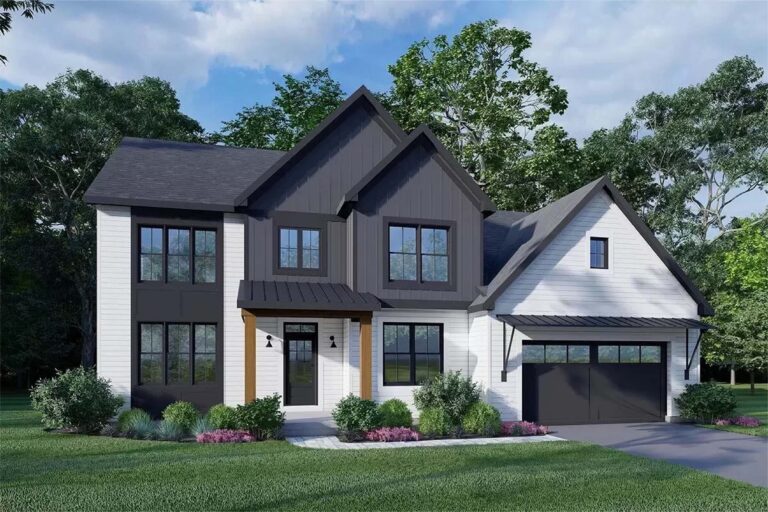

Your starter home was likely never meant to be your forever home. It was meant to be a first step, a place to grow into the next version of your life. Then jobs change, kids arrive, hobbies multiply, and suddenly the house that once felt exciting feels a little tight, a little noisy, or just not quite right anymore.
If you are wondering whether you have outgrown your starter home in the Rochester area, here are seven clear signs to pay attention to, along with some ideas for what to do next.
1. Your Daily Routines Feel Like Chaos
You can learn a lot about how well your house fits you by paying close attention to how your mornings and evenings flow.
If you notice things like:
- Everyone waiting for the bathroom
- Bottlenecks in the kitchen every time you cook
- No quiet spot for work, homework, or downtime
It may be less about needing “more” house and more about needing a different kind of space. In neighborhoods across Monroe County, we see families move from compact city doubles or capes into colonials or split-levels that give them even a little more breathing room, and the daily stress level drops.
Ask yourself: “Are we tripping over each other because of our habits or because the space truly no longer fits how we live?”
2. The Storage Problem No Longer Feels Fixable
Most homes can benefit from better storage solutions. At some point, though, you hit a literal wall.
If every closet is packed to the gills, the basement feels like a maze, and the garage is packed to the ceiling even after you donate and reorganize, and all other potential crawl spaces have been used, let that be your signal. When your home cannot support your basic storage needs without constant reshuffling, it may be time to look for something with:
- An extra bay in the garage
- A proper mudroom
- A more functional basement or attic
A good storage solution does way more than just hold your stuff. It calms your brain.
3. Your Lifestyle Needs Shifted
Starter homes are often chosen for price and availability. Within a few years, your priorities can look drastically different. You may have more children or pets, a new job, or something else entirely that affects how you live and what you need in a home and community.
You might now care more about:
- School districts and walkability to parks
- Shorter commutes to downtown, Strong, University of Rochester, RIT, or major employers
- Being closer to the people and activities that matter most
If you find yourself constantly driving from, say, Greece to Penfield for kids’ activities, or from the suburbs into the city for work and social life, your location may be costing you time and energy that a better fit could give back.
Sometimes it’s not about a bigger house. It is about a better location.
4. You Want To Invest In Renovations, But The Numbers Do Not Add Up
Many Rochester homeowners ask, “Should we just add on?” Sometimes the answer is yes. A well-planned renovation can make your home work beautifully for another decade. Other times, the cost and layout challenges of your current house make moving a smarter move.
Red flags that a renovation might not be the best path:
- You would need major structural changes to fix basics like bedroom count, more bathrooms, or a home office.
- Renovation quotes start to creep into the range of buying a more suitable home in your target area
- Even with changes, the home still would not meet your long-term needs
A good first step is to compare realistic renovation estimates with example homes currently on the market in neighborhoods you like. That comparison can bring clarity very quickly.
5. Your Equity Has Quietly Grown, And You Are Not Using It Strategically
The Rochester and Monroe County markets have seen steady price growth over the past several years, with many areas experiencing tight inventory and strong competition. That environment has helped a lot of starter homes build equity faster than their owners expected.
If you bought several years ago and have kept up with your payments, you may now have a meaningful amount of equity. That equity can:
- Help you move into a home that matches your current lifestyle and needs
- Reduce the payment increase you’d worry about when buying a new house
- Give you flexibility for a down payment on your next place
A quick home value check and estimated net sheet can tell you what you might walk away with after paying off your mortgage and closing costs. Many homeowners are surprised to find they have more room to move than they thought.
6. You Feel Emotionally “Done” With The House
This one is softer, but important.
You might feel:
- More annoyed than grateful when you walk in the door
- Resentful of the house because of its quirks, repairs, or limitations
- A strong pull toward a different neighborhood, lifestyle, or kind of home
Homes hold memories and meaning. They also have seasons. When the emotional energy shifts from, “This is our place” to “We have outgrown this chapter,” it is worth listening. That feeling does not mean you have to move tomorrow, but it is often the first sign that a transition is ahead.
7. Your Five-Year Plan Looks Very Different From Your Current Setup
Try a simple exercise. Picture your life in five years.
- How many people live with you?
- What ages are your kids, if you have them?
- Are you working from home more or less?
- How important is yard space, walkability, or access to certain schools or services?
Now compare that picture to your current home. Sometimes the gap is small and fixable. Other times, you realize that your starter home cannot reasonably stretch to meet that future.
Moving is a big decision, but planning early turns big choices into a series of smaller, doable steps.
What To Do If These Signs Sound Familiar
If even a few of these signs hit home, you do not have to decide everything today. Here are a few next steps that can help get you started:
- Get a realistic home value review
Not just an online estimate. Ask for a local pricing opinion that compares your home to recent Rochester area sales and gives you a net sheet estimate. - Talk through renovation versus move scenarios
A short conversation with a trusted agent and, if needed, a contractor can help you understand which path fits your budget, your timeline, and your neighborhood. - Make a “must have” and “nice to have” list for your next home
This list helps you and your agent focus on homes that truly match your season of life, instead of chasing every listing. - Set a rough timeline
Maybe your goal is “ideally within 18 months” or “before the next school year.” A simple target makes it easier to decide what to do and when.
At Sharon Q Realty, we meet a lot of Rochester homeowners right at this crossroads. Our job is to help you see your options clearly so you can grow into the next chapter with less confusion and more confidence.
If you want to talk through your situation, reach out for a no-pressure consult. Bring your questions, your worries, and your five-year picture. We will bring local data, honest feedback, and a few possible paths forward.