
You might spend half a year preparing your house for the market, but the truth is, most buyers know how they feel about a place before they’ve even shrugged off their coat.
If you’re getting ready to list your home, understanding how that first impression takes shape can help you decide what’s worth your time, what you can let go of, and maybe even how much you’ll walk away with when the offers arrive.
A Potential Home Buyer’s First 30 Seconds
Research in consumer psychology has long shown that first impressions form within seconds and tend to stick. Psychologists at Princeton found that people can make surprisingly accurate judgments about trustworthiness and competence in as little as one-tenth of a second. The same thing happens with homes.
Most buyers form an emotional opinion about a property within the first 30 to 90 seconds of walking through the door. Before they’ve opened a cabinet. Before they’ve seen the backyard. Before they’ve asked a single question about the furnace or the taxes. They already know how they feel.
Psychologists call this thin-slicing: our brains are wired to make snap judgments from just a handful of details. In a home showing, those first few seconds—the light, the air, the feeling in the entry—set the stage for everything that comes next.
That’s why first impressions matter so much. It’s not that buyers are superficial; it’s that their gut reaction in those first moments is what their logical mind spends the rest of the tour trying to justify.
The Halo Effect: Why the Entry Sets the Entire Tone
There’s a psychological phenomenon called the halo effect, in which a strong first impression influences how we interpret everything that comes after.
If a buyer steps through your front door and the entry feels bright, clean, and calm, suddenly the rest of the house gets the benefit of the doubt. That bathroom with the older tile? It’s charming. The small bedroom? Cozy. A scuffed baseboard? They probably won’t even notice.
But if the entry feels cluttered or dark, the opposite happens. Suddenly, buyers are on the lookout for flaws they might have ignored. Every little thing stands out because their brain is busy evaluating instead of connecting.
The front door, the entryway, and the very first room all do more heavy lifting than almost any other space in your home. If you put your energy anywhere, let it be here.
What Buyers Actually Notice (Whether They Realize It or Not)
Most buyers can’t quite put their finger on what’s swaying them. They just know how the place made them feel. And more often than not, it has little to do with square footage or fancy finishes.
Light
Natural light is one of the most powerful emotional cues in a home. Bright rooms feel bigger, more open, and somehow more welcoming. Dark rooms, on the other hand, can feel heavy and hard to picture yourself in. Open every blind, trim back anything blocking the windows, and swap out dim bulbs for something warm and bright. Sometimes, this one change does more than a whole renovation.
Smell
Scent is the sense that sneaks up on us first, tying straight into memory and emotion. If a home smells stale, musty, or heavy with pet odors, buyers notice it before they even realize it. It’s a tough first hurdle, no matter how stunning the kitchen is. A clean, neutral scent, or even a hint of something fresh-baked or citrus, can do wonders in the other direction.
Sound
Most sellers don’t give this much thought, but buyers notice right away if a home feels peaceful or chaotic. A barking dog, a TV echoing from another room, even a noisy heater—these things can set the mood before the tour even begins. Quiet is one of the most underrated features a home can offer.
Flow
Buyers won’t clock exact measurements of rooms, but they can sense proportion. If furniture is too big, if pathways feel cramped, if the eye doesn’t have somewhere natural to land, the brain registers it as friction. Too much furniture is one of the most common mistakes during a showing. A half-empty room almost always photographs and shows better than a full one.
Cleanliness
This one isn’t up for debate: clean means cared-for. Buyers might overlook an old countertop, but not a dirty one. So for the floors, baseboards, windows, and light fixtures, make them shine before anyone walks through the door. If you do nothing else, do this.
What Buyers Don’t Notice
Here’s where most sellers get tripped up. They picture buyers inspecting every inch with a magnifying glass. But that’s not what’s really happening.
Buyers rarely notice:
- The brand of your appliances, as long as they appear clean and functional
- Whether your trim is original wood or painted, as long as it’s not chipped
- Minor wear on the flooring, as long as it’s clean and consistent across rooms
- The specific color of your walls, as long as they’re neutral and freshly painted
- Whether your light fixtures are dated, as long as the rooms are bright
If you’re debating whether to swap out every outlet cover, retile the guest bath, or splurge on new appliances right before listing, the answer is usually no. Your time and money go further on the basics: a deep clean, some decluttering, better lighting, and a fresh coat of paint.
How to Prepare for the First 30 Seconds
You can’t control what kind of day a buyer had before they pulled up to your house. But you can shape what they feel the moment they step inside. Here’s where to put your energy.
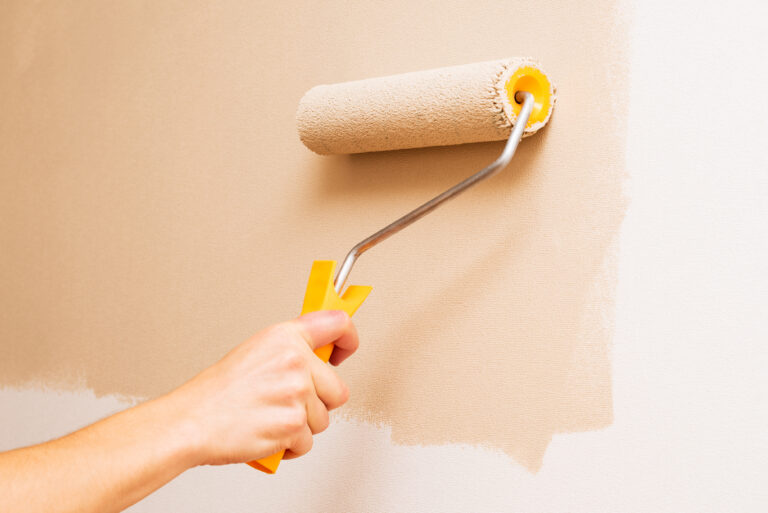
Start at the curb, because the first impression begins before anyone even steps inside. A swept walkway, a new doormat, and a freshly painted front door are all of these small touches that can shift a buyer’s expectations in an instant. If the outside feels cared for, they’ll expect the same inside.
Make the entryway the star of the house. Clear out the coats, the shoes, the mail, anything that doesn’t belong. Bring in as much light as you can. If you have a mirror or a piece of art that fits, perfect. If not, let the space breathe.
Let the light in. Open every blind and curtain before a showing. Turn on every lamp. If your home doesn’t get much natural light, swap in brighter, warmer bulbs. You’ll be surprised at the difference.
Keep the scent neutral. Skip the strong air fresheners and candles, and make sure there aren’t any lingering cooking smells. If you have pets, be extra careful here.
Take out about a third of your furniture—really. Most of us live with more than a home actually needs to show well. Paring things back creates space, flow, and a sense of calm. If you’ve ever worked with a stager, you know they’ll push you further than you’d expect, and they’re almost always right.
Clean as if someone’s coming to judge how much you care about your home, not just to visit. It’s a different level.
The Bottom Line
In those first moments, buyers are feeling their way through a home they’re meeting for the first time. A first date isn’t always perfect, but they’ll get to see the potential. Your job isn’t to wow them with upgrades. It’s to clear away anything that might keep them from falling in love.
If you get those first 30 seconds right, the rest of the showing usually falls into place.
If you’re gearing up to list your home and want a straightforward, honest plan for what matters most before the first buyer steps inside, grab our free Home Selling Guide. It covers every step, including the prep work that really makes a difference.
Download he guide by filling out the form below:
Home Guide
Sources:
- American Psychological Association, “Thin slices of life” (Nalini Ambady research): https://www.apa.org/monitor/mar05/slices
- Princeton research on rapid judgment formation (Alex Todorov)
- Ambady & Rosenthal meta-analysis on thin-slice judgments (1992)